


 6 Days / 5 Nights
 Golden Triangle Tour
₹ 26,999per person
View Details 
The City of the Taj Mahal
Marble mausoleums, red-sandstone forts
and the living legacy of the Mughals.
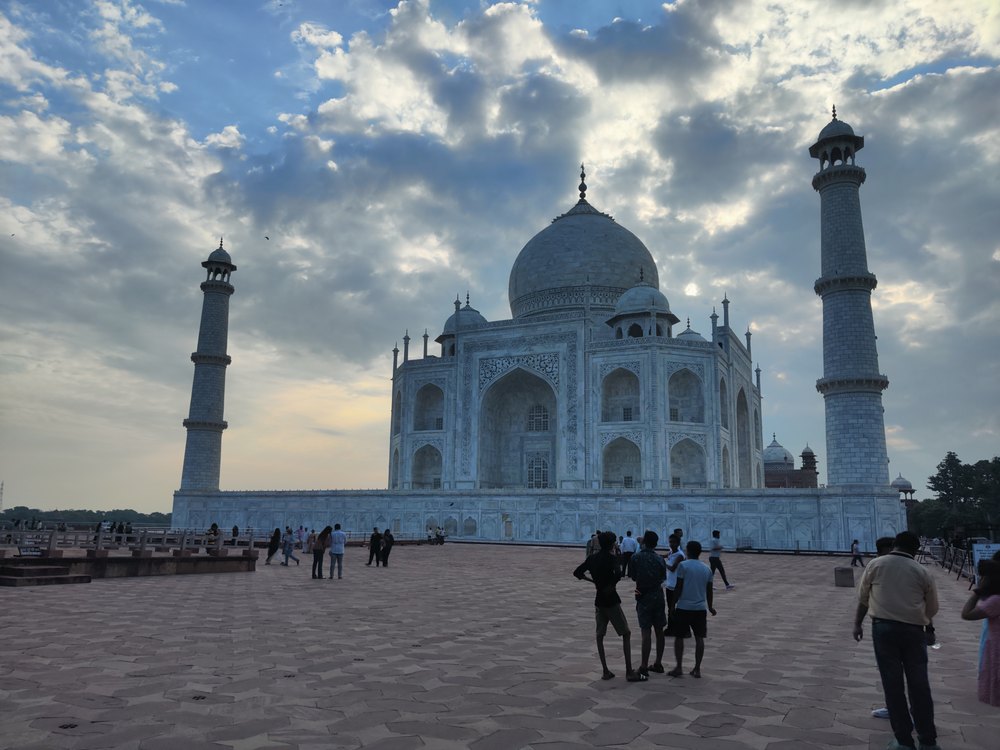
Agra, on the banks of the Yamuna, was the capital of the Mughal Empire at its height and is home to three UNESCO World Heritage Sites. The Taj Mahal, built by Shah Jahan in memory of Mumtaz Mahal, is the world's most famous monument to love - white marble inlaid with precious stones that changes colour from dawn to moonlight. Explore the vast red-sandstone Agra Fort, the jewel-like tomb of Itimad-ud-Daulah, often called the "Baby Taj", the abandoned royal city of Fatehpur Sikri and the Mehtab Bagh gardens across the river, and end the day with Mughlai food and the famous Agra petha.
India
Oct - Mar
1 - 2 Days
Taj Mahal, Mughal Heritage


See the marble glow pink and gold at first light
Palaces and audience halls of the Mughal emperors
Watch the Taj turn gold from across the Yamuna
The abandoned red-sandstone city of Emperor Akbar
Watch pietra dura artisans at work
Rich Mughlai curries and the famous Agra petha
6 Days / 5 Nights  2 Days / 1 Night
  4 Days / 3 Nights
 October to March is the best time to visit Agra - pleasant days, clear skies and soft light on the marble. Winter mornings (December - January) can be foggy, so a sunrise view is not guaranteed. April to June is very hot, and the July - September monsoon brings green gardens and fewer crowds. The Taj Mahal is closed on Fridays; night viewing is possible on the nights around the full moon with advance tickets.
Plan Your Trip( Best Season )
( Misty Mornings )
( Very Hot )
( Green & Quiet )