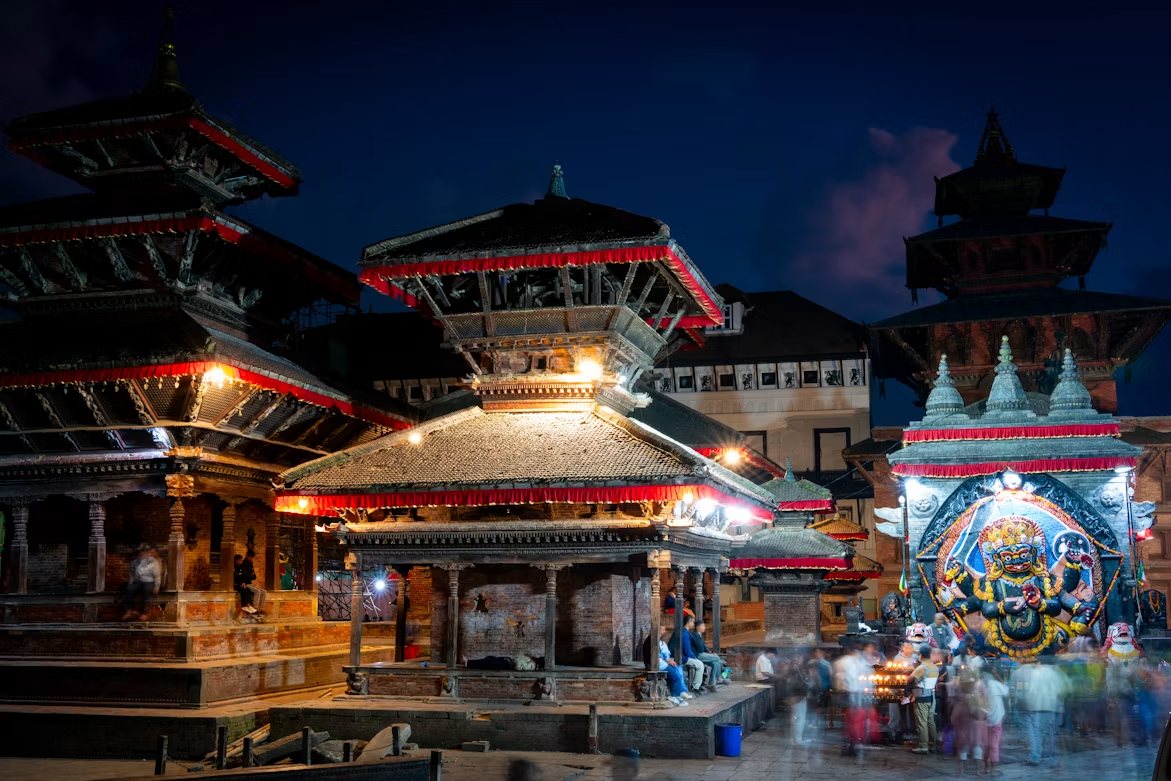
When are the mountain views clearest, when do the great festivals happen and when should you avoid the monsoon? A simple guide to planning the right trip for every season.
In this article
The Himalaya and the plains of India share one great rhythm: the monsoon. Get your timing right and you will enjoy crystal-clear mountain views and pleasant days; get it wrong and the peaks may hide behind cloud for your whole trip. Here is how the seasons work across the three countries.
At a Glance
| Season | Nepal | North India | Bhutan |
|---|---|---|---|
| Oct - Nov | Best - clearest views | Excellent, festive | Best - festivals |
| Dec - Feb | Good, cold nights | Excellent, foggy mornings | Good, cold and clear |
| Mar - May | Very good, rhododendrons | Hot from April | Very good, blooms |
| Jun - Sep | Monsoon, green | Monsoon, humid | Monsoon, lush |
Autumn (October - November): The Golden Season
After the monsoon rains wash the air clean, autumn brings the clearest skies of the year. It is the peak season for Nepal - perfect for the Sarangkot sunrise, the Everest flight and the Muktinath Yatra - and for Bhutan, when the colourful Thimphu Tshechu masked-dance festival takes place.
It is also festival season across the region: Dashain and Tihar in Nepal, Diwali and Chhath in India, and Dev Deepawali in Varanasi. Book early - flights and hotels fill up fast.
Winter (December - February): Comfortable Plains, Crisp Mountains
Winter is the ideal time for the plains of India - Varanasi, Ayodhya, Bodhgaya, Rajasthan and Kerala are all at their best. In Nepal and Bhutan, days are sunny and the views sharp, although nights are cold and high passes may see snow. Kathmandu, Pokhara, Chitwan and Punakha remain very pleasant.
Spring (March - May): Blossoms and Festivals
Spring brings warmer days, blooming rhododendrons in the Nepal hills and lilac jacarandas around Punakha Dzong. The Paro Tshechu is held in spring, and Holi colours India and Nepal in March. Views are slightly hazier than in autumn, but still lovely.
By May, the plains of India are very hot - the perfect time instead to head for the hills of Nepal, Bhutan, Darjeeling or Rishikesh.
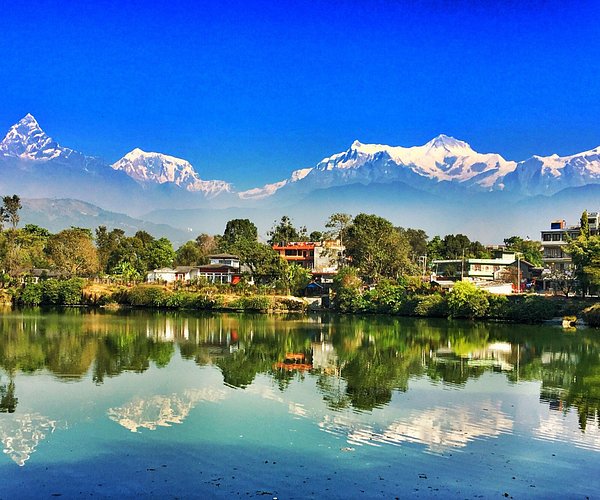
Monsoon (June - September): Green, Quiet and Great Value
The monsoon brings heavy rain to most of the region, with cloud hiding the high peaks and occasional landslides on mountain roads. But it is also beautiful: rice terraces glow green, waterfalls thunder and crowds disappear. Kerala in the monsoon is the season for Ayurveda, and the Nehru Trophy Boat Race takes place in August. Rafting in Rishikesh pauses in July and August.
Our Quick Recommendations
- First trip to Nepal: October - November or March - April
- Muktinath Yatra: March - June or September - November
- Bhutan: March - May or September - November
- Varanasi, Ayodhya, Bodhgaya: October - March
- Rajasthan and Kerala: October - March
- Escape the summer heat: May - June in Nepal, Bhutan or Rishikesh
Not sure which month suits your plans? Tell us your dates and we will suggest the best trip for that season.

Nepal Trip Holiday Travel Desk
The same team that plans and operates our tours across Nepal, India and Bhutan. Questions about this guide? Call or WhatsApp us on +91 63071 02408 - we are happy to help.